October 30, 2026




The first cool morning usually arrives without warning. You open the window, feel that thin, clean chill instead of the warm wall of air you've had since June, and reach for a jumper. Your skin notices the change a few days later, usually in the form of a tight feeling across the cheeks after washing, or a sudden dry patch where there wasn't one last week.
Autumn doesn't demand a whole new bathroom shelf. It asks for a handful of small adjustments, made in the right order, before the heating comes on and the air gets properly dry. Here's how to move through the switch calmly, one step at a time.
If your summer cleanser is a foaming gel that leaves your face squeaky, it's probably the first thing to reconsider. Those formulas feel wonderful in July, when humidity and sweat make a crisp finish satisfying. In October, the same cleanser can leave skin feeling tight within minutes of patting dry.
Judging a cleanser is easy once you know what to look for: check how your skin feels ten minutes after washing, not immediately. Comfortable and slightly plump means it's working. Tight, itchy or flaky at the edges means it's stripping too much.
Three ways to adjust, in order of effort:
Keep the evening cleanse thorough. Sunscreen, pollution and makeup need a proper cleanse, and a gentle formula used correctly does the job without a second, harsher pass.
Summer air holds moisture for you. Once humidity drops, your skin loses water to the environment faster, and the fix isn't simply a heavier cream. Skin needs water-binding ingredients first, then something on top to hold them there.
Think in layers. On slightly damp skin, apply a hydrating toner, essence or a light serum with glycerin or hyaluronic acid. Press it in, let it settle for thirty seconds, then follow with moisturiser while the skin is still a touch damp. That last detail does more than most people expect.
Daytime in early autumn is often still mild. A lotion or gel-cream under sunscreen is plenty for many people, particularly if you're oily or combination. At night, when the heating kicks in and the air dries out, a richer cream with shea butter, squalane or ceramides earns its place. If you'd rather not buy anything new, a thin layer of facial oil over your usual night cream works as a temporary seal.
Don't forget the body. Legs that were fine in August can turn ashy by mid-October, and hands show the change before the face does. Switch body lotion to a cream, and put a hand cream by the sink where you'll actually use it.
This is the step most people get wrong, usually by doing more of it. Summer skin often tolerates a lot: sun, salt, chlorine, more frequent washing. When the season turns, the barrier is already doing repair work, and piling on acids can push it into redness, stinging or flaking that looks like dryness but isn't.
Cut your exfoliating step back to once or twice a week for the first few weeks of autumn and watch how skin responds. A few ground rules that keep things steady:
If you have a skin condition such as eczema, rosacea or acne, changes like these are worth running past a dermatologist or pharmacist rather than testing them on your own.
Cool air is not weak sunlight. UV levels drop in many places as the season turns, but UVA, the part most associated with ageing and pigmentation, stays present through cloud and grey afternoons. The temperature outside tells you nothing useful about what's reaching your skin.
Keep a daily SPF 30 or higher in the routine, and treat it as the last step of the morning, after moisturiser. Autumn is actually a good moment to change the texture rather than the habit: a cream or gel-cream sunscreen feels less heavy than the fluid you liked in July, and layering it over a hydrating serum keeps it comfortable.
The areas people skip are the ones that show wear first: the backs of the hands, the neck, the ears, the parting of the hair. If you work near a window or drive a lot, that exposure adds up quietly. Reapply if you're outside for a long stretch, and don't rely on the SPF in your moisturiser unless it's genuinely enough for a full day's exposure.
Small areas turn over quickly in cool, dry air and are easy to forget. A balm with beeswax, petrolatum or shea on the lips, a cuticle oil worked in at night, and a slightly less frequent hair wash if your scalp has gone from oily to tight. Feet that lived in sandals for months benefit from a cream with urea and a pair of socks overnight, which is unglamorous and effective.
Work through this over a weekend rather than all at once. Two weeks of small changes tells you more than one dramatic overhaul.
Skin adjusts slowly, and the first cold snap isn't the real test. The dry indoor air of late October and November tells you far more. Change one or two things, keep the rest steady, and let your skin answer.
If a new product causes persistent redness, swelling or discomfort, stop using it and speak to a pharmacist or doctor. Everything else here is trial and adjustment, which is exactly the right spirit for the season: less reaching for a fix, more noticing what your skin is already telling you.
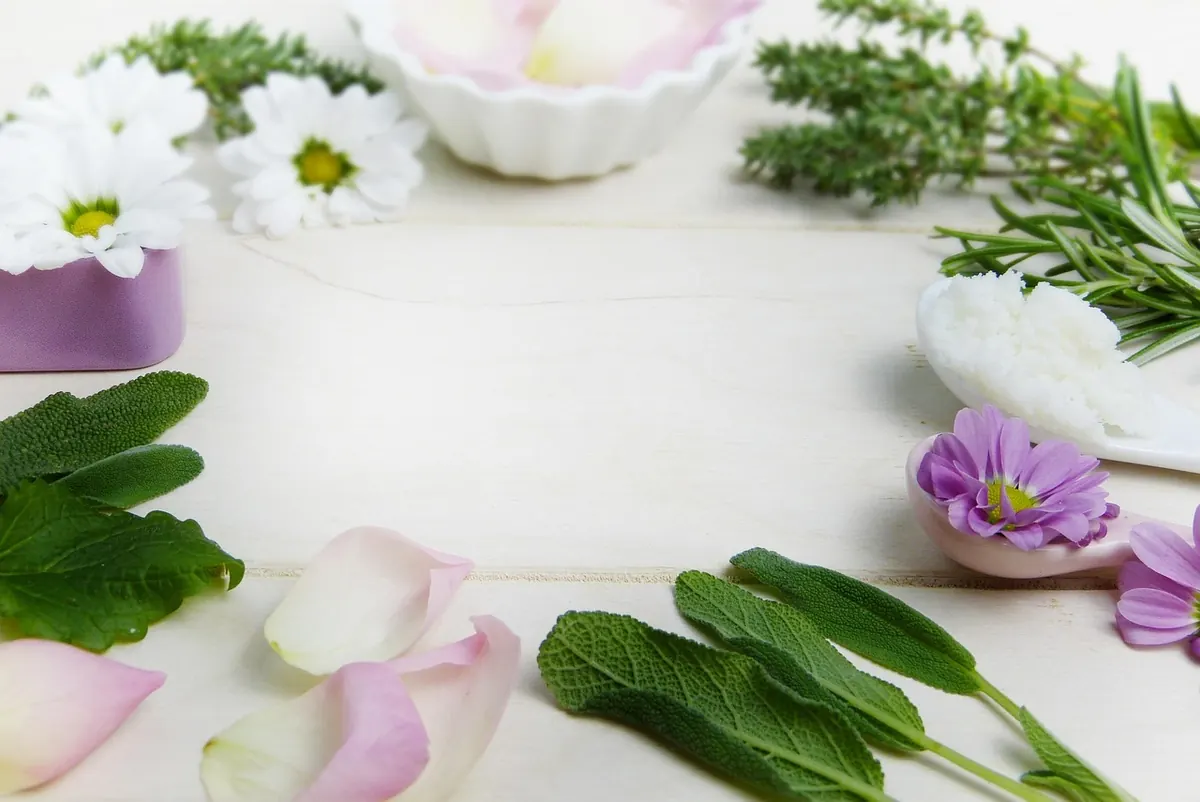
Photo: silviarita / Pixabay

Daily style, beauty, and life inspiration..
Copyright © 2026 Ambra Oggi. All rights reserved. Ambra Oggi.