October 30, 2026


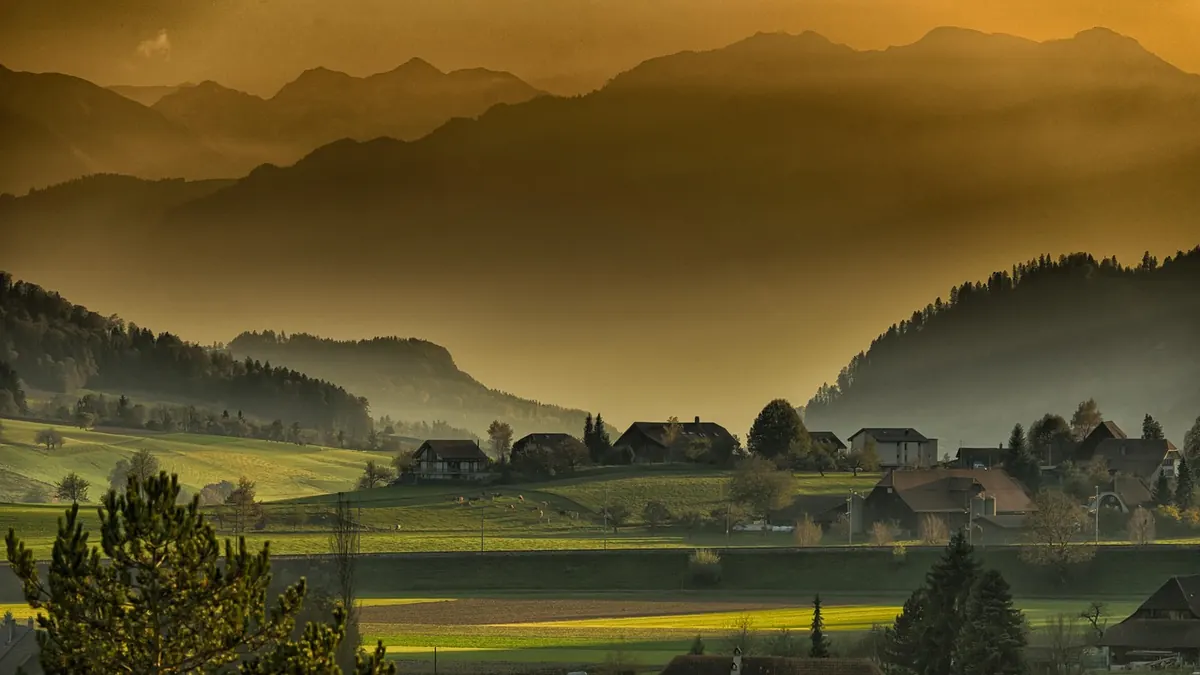
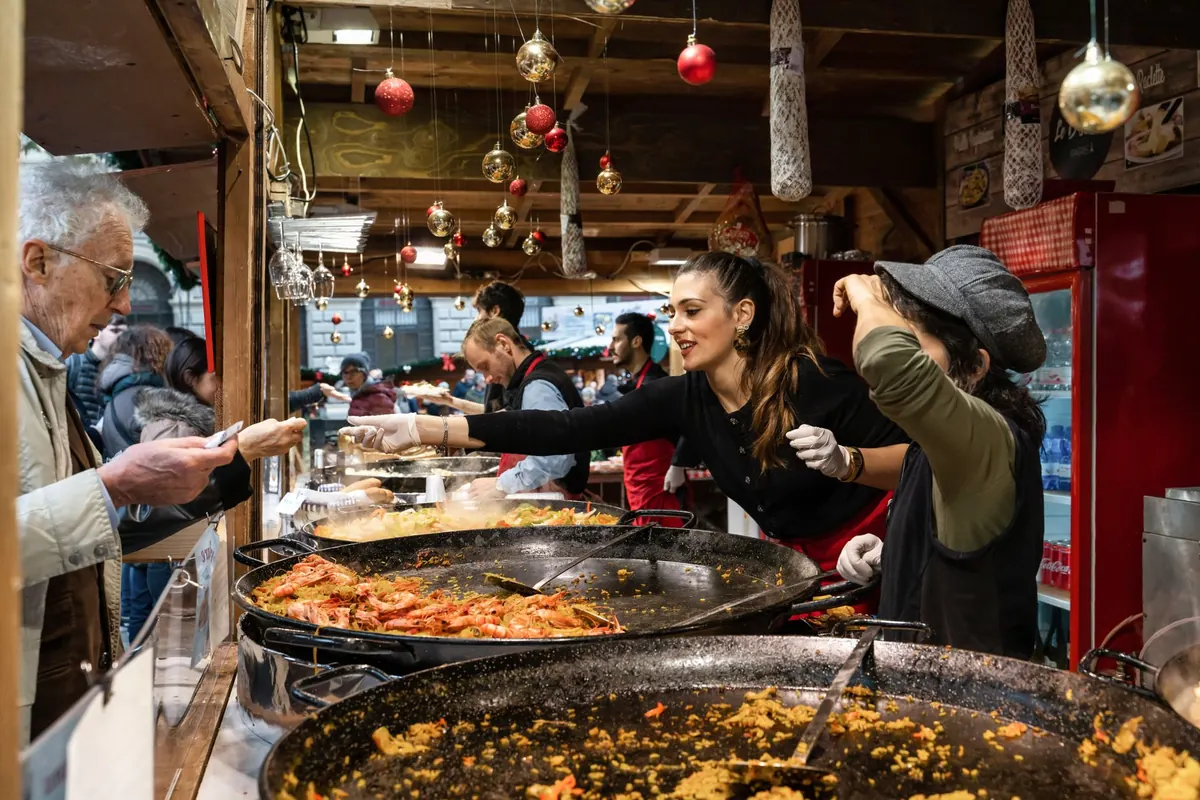
Italy rewards the traveler who slows down, but some regions make that far easier than others. Base yourself badly — a village with two buses a day, a hill town where every lane is one-way — and the slow trip turns into logistics. Base yourself well and the days settle into a rhythm: one town in the morning, a long lunch, a walk in the afternoon, the same bed at night.
The six regions below are compared on pace, transport, scenery and food. None of them is a secret, and all of them work for a first visit — provided you match the region to how you actually like to travel, not how you imagine you might.
Umbria is the easiest place in Italy to do very little, well. It has no coastline and no single showpiece city, so the region moves at the speed of its olive groves: the stone alleys of Spello, the vineyards around Montefalco, the long climb to Castelluccio di Norcia when the lentils are in flower.
For a car-free week, base yourself in Spoleto or Foligno. Foligno is the rail junction that puts Assisi, Perugia, Spoleto and Terni within easy reach, but buses to smaller villages thin out badly at weekends — check timetables before you book a farmhouse. The 2016 earthquake is still visible in parts of the Valnerina, where some villages are rebuilding; go with modest expectations and spend where it helps.
On the plate: Castelluccio lentils, cured meats from Norcia, black truffles in season, Sagrantino from Montefalco and the olive oil of the Trevi hills.
Abruzzo is the slowest of the six and the least bothered about being discovered. Roughly a third of the region is protected land, and much of the pleasure comes from driving a quiet road to a hill village and finding one trattoria open.
Transport is the catch. The Adriatic railway serves the coast well, but the interior — where the good landscapes are — needs a car, and a 40-kilometre drive can easily take an hour. The scenery repays it: the high plain of Campo Imperatore beneath the Gran Sasso, the cliff-top ruins at Rocca Calascio, beech forest in the Majella. Weather at altitude shifts quickly, so carry a warm layer even in June.
Expect arrosticini grilled over charcoal, saffron from Navelli, pasta alla chitarra, pecorino and Montepulciano d'Abruzzo. Portions are generous; pace yourself accordingly.
This is gentle countryside with a busy calendar. Bra is the home of the Slow Food movement and of Pollenzo's gastronomy university, and the surrounding hills take food seriously in a way that shapes your day: a morning market, a long tasting, an early dinner.
Alba and Bra both sit on the Turin regional rail network, which makes a car-free arrival simple. Barolo, Barbaresco and La Morra do not, so either stay in Alba and use local buses and taxis, or hire a driver for tasting days — and spit rather than swallow if you are the one driving. Autumn brings the white truffle fair and crowds; late spring is calmer and greener.
Look for tajarin, plin, vitello tonnato, Bra's cheeses and Nebbiolo poured by the glass in a village bar with three tables.
The pace here feels calm but never improvised. Trails are signposted, buses connect to trailheads, and menus appear in both German and Italian. Of the six regions, this is the one where you can genuinely leave the car behind for a week.
Start with the Venosta railway from Merano toward Malles, or the Bolzano–Merano line, and use the Adige cycle path for flat, easy days between orchards and villages. Higher up, meadows give way to the Dolomites; check the weather forecast before any hike, and pick routes that match your experience rather than your ambitions.
Speck, canederli, apple strudel and crisp valley whites are the staples. Mountain huts serve lunch until mid-afternoon, then close — an early start buys you the best hours on the trail.
Flat, whitewashed and outdoor by nature. Distances between Locorotondo, Martina Franca and Alberobello are short, the lanes are quiet, and cycling is a realistic way to spend a day rather than a heroic one.
Ferrovie del Sud Est trains from Bari reach Locorotondo, Martina Franca and Alberobello — slow, infrequent and useful. A car still helps for masserie, beaches and the odd long lunch in the countryside. Time your visit for May, June or September; midsummer heat pushes everything into early morning and evening, which is its own kind of slow travel but not always a comfortable one.
Eat orecchiette with cime di rapa, burrata that arrives still warm, focaccia from Bari, and drink Primitivo and chilled Locorotondo white.
Heat sets the rhythm here. Mornings are for walking, afternoons for shade, evenings for the passeggiata along honey-coloured baroque streets in Noto, Modica, Ragusa and Scicli.
The coastal line between Catania and Siracusa is quick and useful, and a single-track railway does reach Noto, Modica and Ragusa — but services are few, so most first-timers hire a car or a local driver for the interior. Distances look short on a map and take longer than you think.
Breakfast is granita with brioche, and it is worth planning the day around. Add Modica chocolate, scacce, Cerasuolo di Vittoria and a half-day at the Vendicari reserve. Choose two towns to sleep in, not five.
If you are still torn, answer these in order and the field usually narrows to one or two regions.
Book five to seven nights in one place before you add a second base. Ask your host about parking and about the restricted traffic zone in the historic center — driving into one by mistake means a fine arriving months later. Validate paper train tickets before boarding, and check Sunday and public holiday schedules, when rural buses all but stop.
Eat where the menu is short and handwritten, shop in the morning market, and leave one day entirely unplanned. If you are hiring a car, pick it up after two days of walking rather than at the airport on arrival; you will learn the town on foot first and drive with more confidence afterwards. For anything involving travel insurance, medical needs or driving requirements, check the current rules with your provider or consulate before you book.
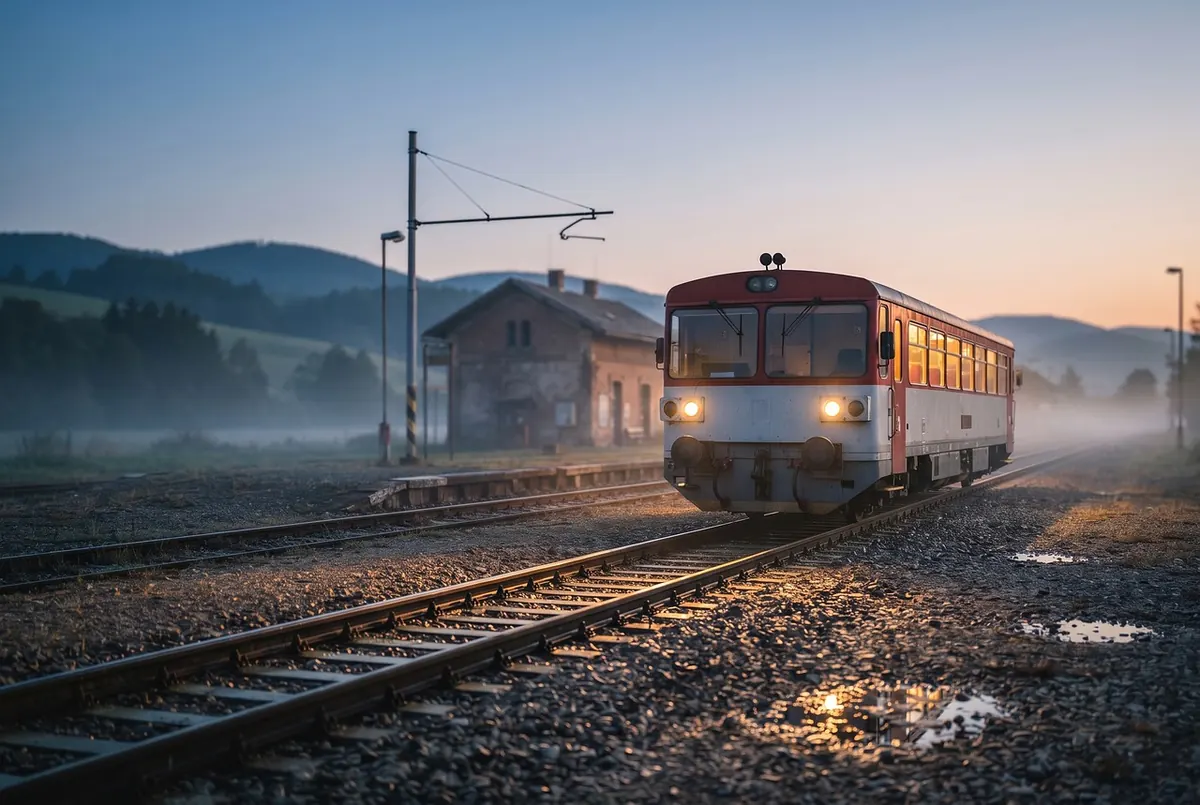
Photo: jpeter2 / Pixabay
Daily style, beauty, and life inspiration..
Copyright © 2026 Ambra Oggi. All rights reserved. Ambra Oggi.